
Posted by Spycor Building on Jan 6th 2026
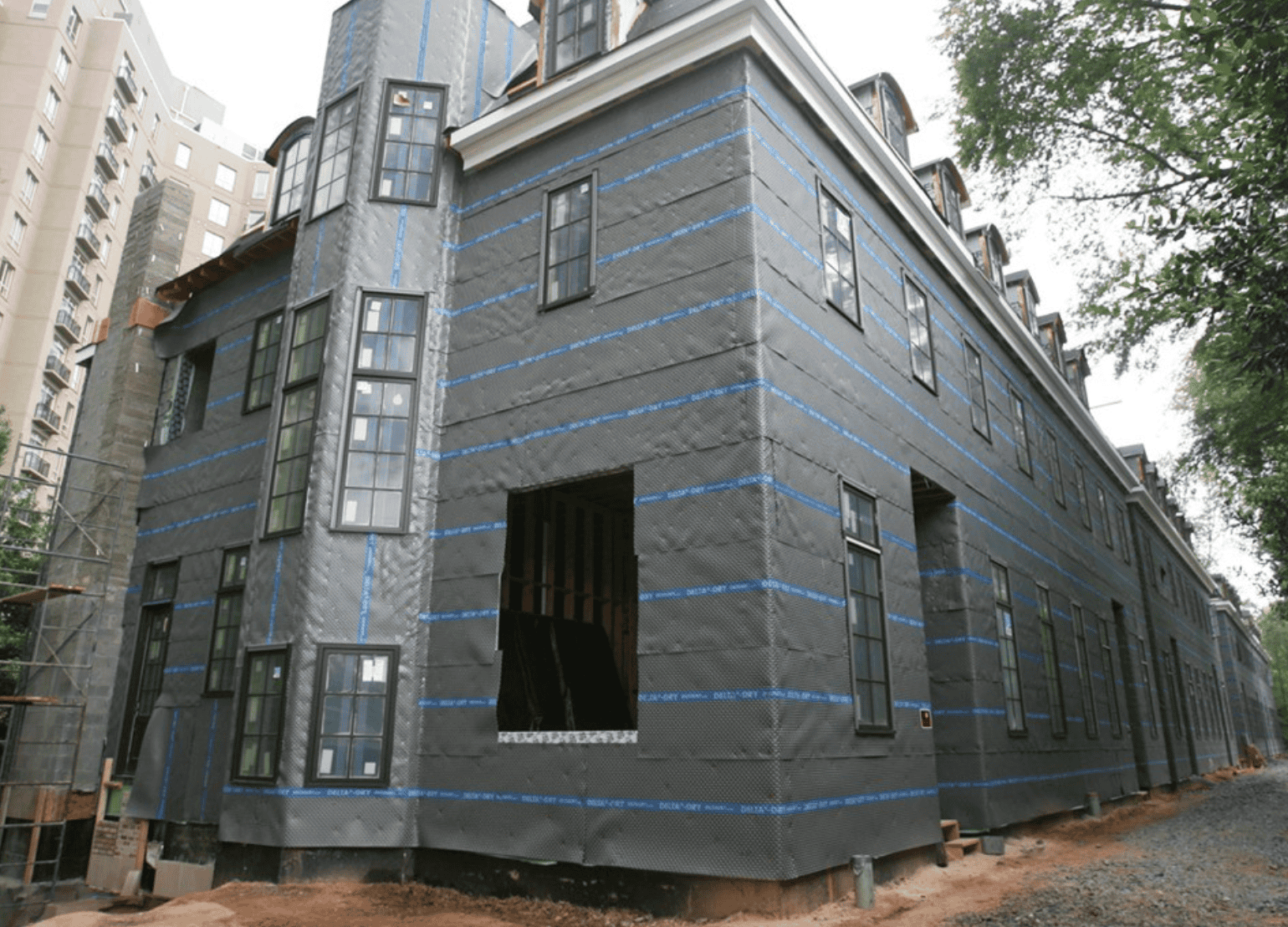
Home builders and contractors face increasing challenges in ensuring building envelopes withstand harsh weather while maintaining energy efficiency. Rainscreen systems play a critical role in moisture management for construction projects, creating a protective gap that allows drainage and ventilation behind exterior cladding. These systems prevent water infiltration, reduce the risk of mold and rot, and extend the lifespan of structures in residential and commercial builds. As building codes evolve toward stricter standards for durability and sustainability, selecting the right rainscreen becomes essential for project success. This guide explores top options tailored for the construction industry, focusing on practical applications for building projects.
Understanding Rainscreen Systems in
Building Projects
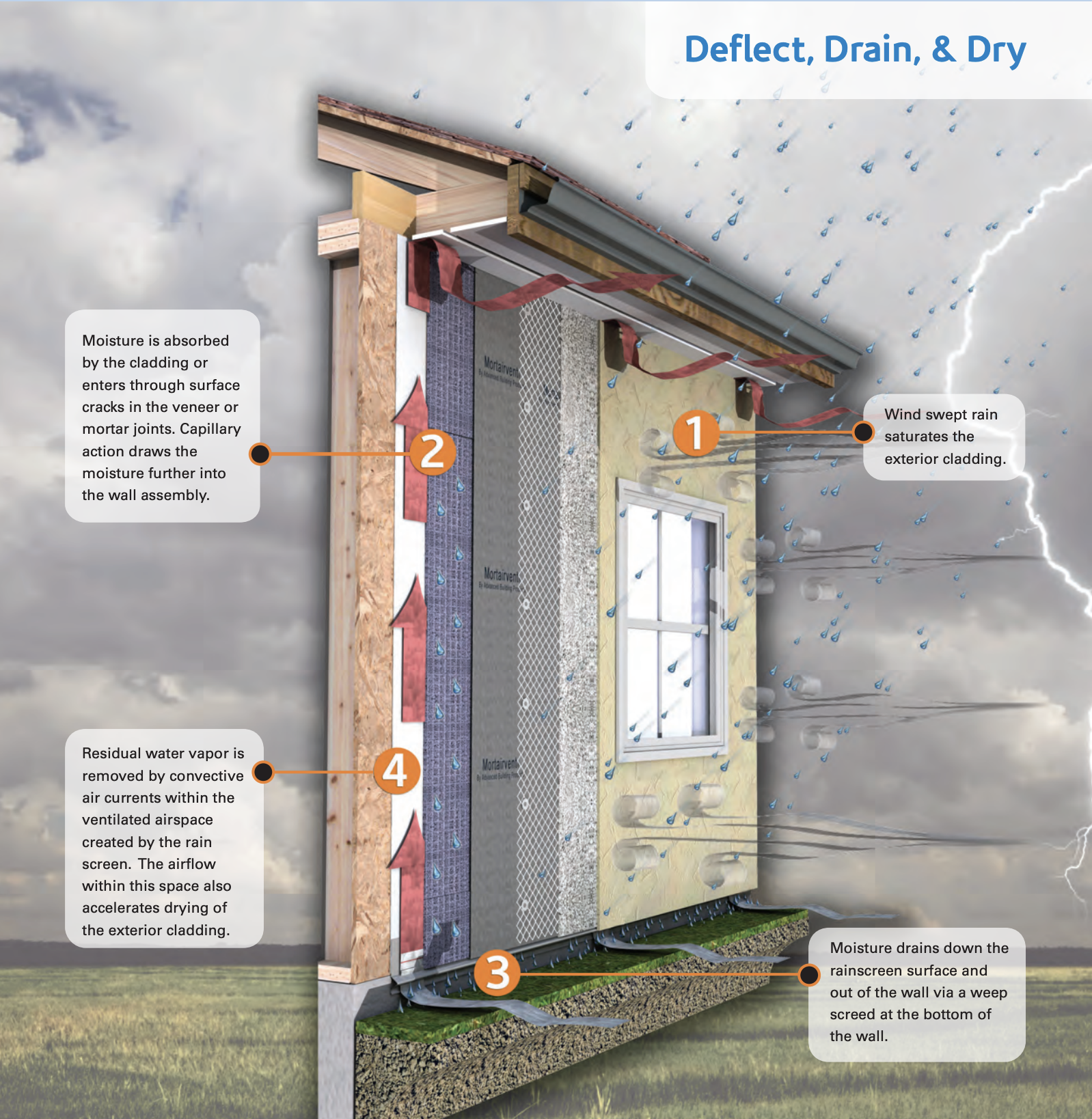
Rainscreen systems consist of a drainage plane or mat installed between the water-resistive barrier (WRB) and the exterior cladding. This setup forms an air cavity that promotes airflow, allowing moisture to escape rather than accumulating within wall assemblies. For contractors working on building projects, this means fewer callbacks related to water damage and improved compliance with codes like the International Building Code (IBC) that emphasize moisture control.
In practice, rainscreens address common issues in construction, such as bulk water penetration from rain, capillary action in materials, and condensation in insulated walls. By interrupting these processes, they protect structural elements like sheathing and framing. For home builders, incorporating rainscreens in new constructions or renovations ensures long-term performance, especially in regions with high precipitation or humidity. Modern rainscreens also contribute to energy efficiency by reducing thermal bridging, aligning with 2026 trends toward net-zero ready buildings.
Key components include drainage mats, ventilated cavities, and compatible accessories like flashing tapes. Contractors should prioritize systems that integrate seamlessly with various claddings, from fiber cement to stucco, to streamline workflows on site.
Key Benefits of Rainscreen Systems for
Moisture Management
Implementing rainscreen systems in building projects offers multiple advantages for contractors and home builders. First, they enhance moisture management by providing a continuous drainage path, preventing water buildup that can lead to costly repairs. This is particularly valuable in commercial projects where downtime for maintenance impacts operations.
Durability stands out as a major benefit; high-quality rainscreens resist UV exposure, mold growth, and physical damage, ensuring they perform over decades. For instance, systems made from high-density polyethylene (HDPE) or specialized mesh maintain their integrity even in extreme conditions, making them ideal for coastal or rainy climates.
Energy efficiency is another key factor. The air gap created by rainscreens acts as a thermal break, improving insulation performance and reducing heating/cooling costs. In 2026, with rising emphasis on sustainable construction, rainscreens help achieve certifications like LEED by minimizing energy loss and promoting healthier indoor air quality through better ventilation.
Cost-effectiveness cannot be overlooked. While initial investment is involved, rainscreens reduce long-term expenses by avoiding mold remediation or structural replacements. Builders report fewer warranty claims, and contractors appreciate faster installations that keep projects on schedule. Compatibility with diverse building materials further simplifies procurement for large-scale projects.
Top Rainscreen Systems Recommended
for 2026 Construction
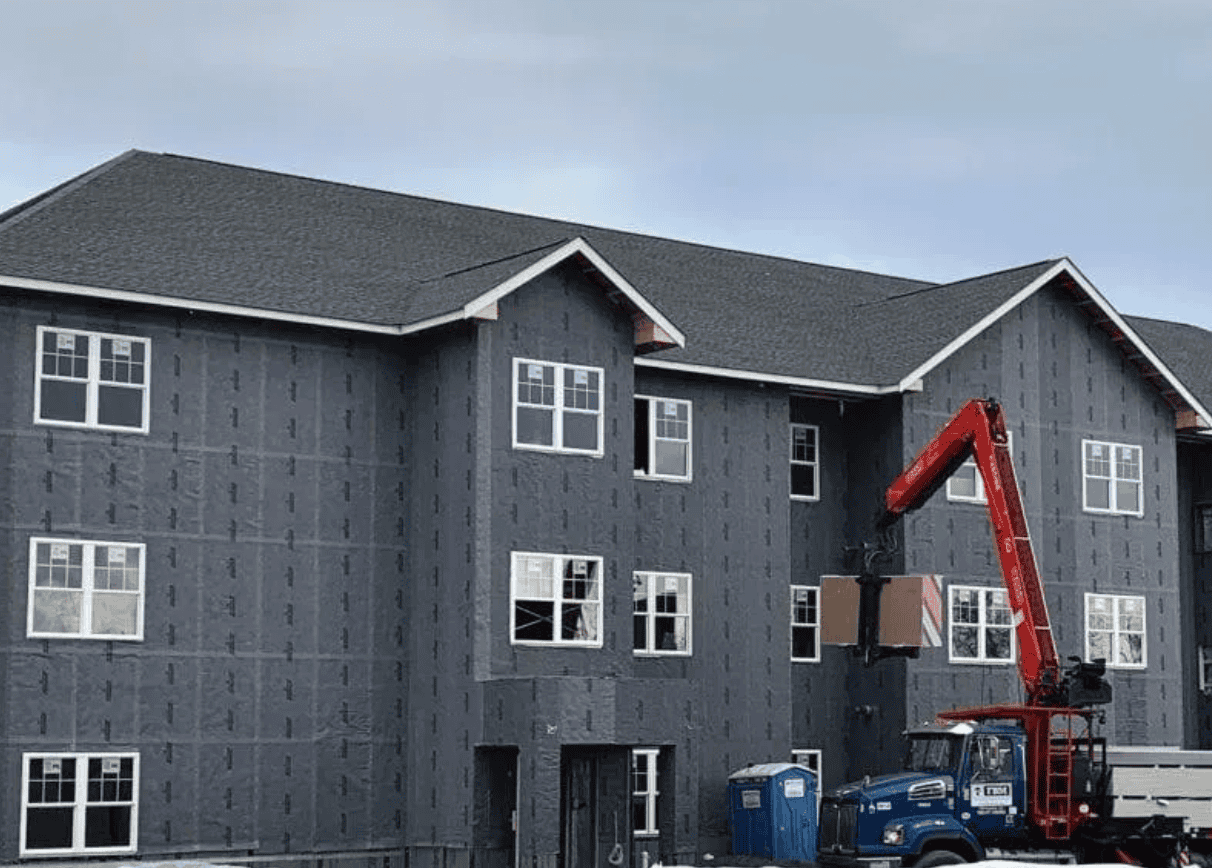
For builders and contractors seeking the best rainscreen systems for moisture management, Spycor Building Products offers standout options like Mortairvent and DELTA-DRY. These systems are engineered for reliability in building projects, combining innovation with proven performance.
Mortairvent Rainscreen Systems
Mortairvent features a three-dimensional mesh design that creates an effective drainage plane while preventing clogs from mortar or debris. Available in 6mm (Mortairvent 202) and 10mm (Mortairvent 203) thicknesses, it suits various applications. The 6mm option is perfect for residential siding, providing a 1/4-inch gap, while the 10mm variant offers enhanced ventilation for wetter climates or heavier claddings.
Benefits include rapid drying of wall assemblies, interruption of capillary action, and prevention of wood rot or mold. Its cost-efficiency makes it a go-to for volume builders, with bulk SKID options ensuring consistency across projects. In 2026, Mortairvent's durability aligns with sustainable building practices, as it extends structure life without frequent replacements.
Installation involves placing the mat over the WRB, using accessories like DELTA-FLEXX BAND for sealing penetrations. Compatible with wood, fiber cement, vinyl siding, stucco, and stone veneer, it's versatile for both residential and commercial builds.
DELTA-DRY Rainscreen Systems
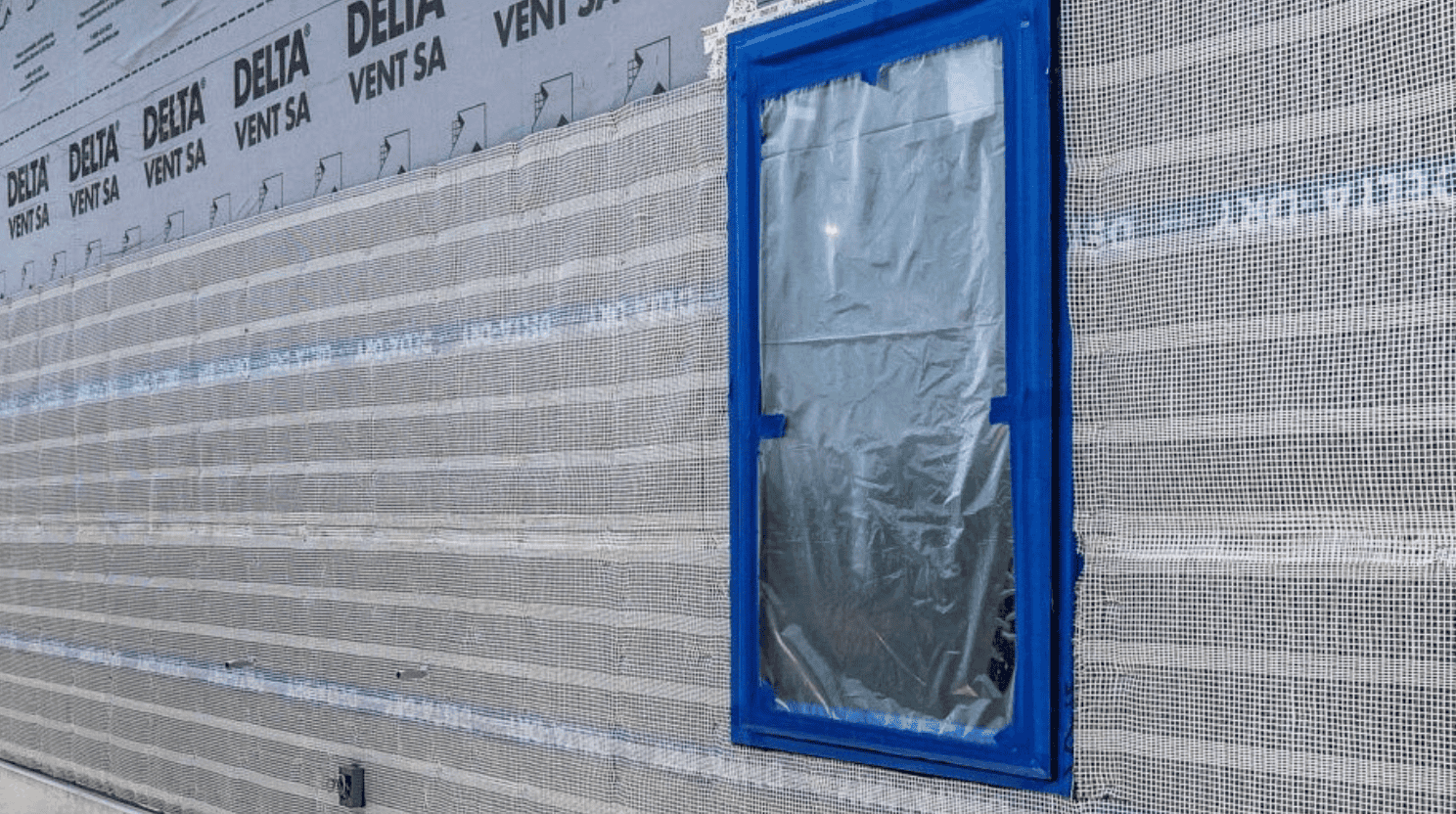
DELTA-DRY utilizes a dimpled HDPE sheet to form a 10.5mm cavity for superior airflow and drainage. Variants include the standard DELTA-DRY for siding, DELTA-DRY Stucco & Stone for moisture-sensitive claddings, and DELTA-DRY & LATH, which integrates lath for single-step application covering up to 1,812 sq ft per skid.
Its vapor-permeable design manages both inward and outward moisture, resisting mold and UV for up to 180 days. Benefits encompass energy efficiency through thermal breaks, code compliance, and reduced labor via easy installation. Ideal for humid or coastal areas, it protects against heavy rainfall and condensation in tight envelopes.
For contractors, installation starts with preparing the substrate, unrolling the membrane textured side out, and fastening every 12-16 inches. Overlaps ensure continuity, and flashing integrates at windows and doors. It works with brick, stone, fiber cement, stucco, and more, making it suitable for multi-family homes, offices, and schools.
In 2026 projects, DELTA-DRY supports eco-friendly goals by enhancing insulation and durability, reducing environmental impact.
Installation Best Practices for Rainscreen
Systems
Proper installation ensures rainscreen effectiveness in moisture management. Start by inspecting and cleaning the sheathing, then apply the WRB with proper overlaps.
For Mortairvent, unroll the mesh over the WRB, securing with corrosion-resistant fasteners. Create the air gap, ensuring no clogs, and seal transitions with flashing.
DELTA-DRY installation involves cutting to size, fastening textured side out, and lapping joints (4 inches horizontal, 6 inches vertical). Add furring strips if needed for additional drainage, then attach cladding.
Common tips: Work from bottom up, use bug screens at bases, and inspect for gaps. Tools like utility knives and staples speed the process. For contractors, training crews on these steps reduces errors in building projects.
Equipping your building projects with the best rainscreen systems like Mortairvent and DELTA-DRY from Spycor ensures superior moisture management, durability, and efficiency in 2026. These solutions empower home builders and contractors to deliver high-performance structures that stand the test of time.
Order Now at spycorbuilding.com to secure the ideal rainscreen for your next project and protect against moisture challenges effectively.
FAQ: Rainscreen Systems for Moisture
Management
What is a rainscreen system and why do building projects need one?
A rainscreen creates a ventilated gap behind cladding to drain moisture and promote drying, essential for preventing damage in construction.
How do Mortairvent and DELTA-DRY differ?
Mortairvent uses mesh for clog-free drainage, ideal for stucco; DELTA-DRY's dimpled design offers vapor permeability, suited for siding and stone.
Are these systems compatible with all claddings?
Yes, both work with fiber cement, wood, vinyl, stucco, stone, and more, providing flexibility for contractors.
What installation tools are required?
Basic tools include fasteners, utility knives, and flashing tapes; no specialized equipment needed for most applications.
How do rainscreens impact energy efficiency in 2026 builds?
They reduce thermal bridging, improving insulation and supporting sustainable codes.
Can rainscreens be used in retrofits?
Absolutely, they're adaptable for renovations to enhance existing moisture management.
What maintenance do rainscreens require?
Minimal; periodic inspections for debris ensure longevity.